
People on the Edges of Europe
People on the Edges of Europe
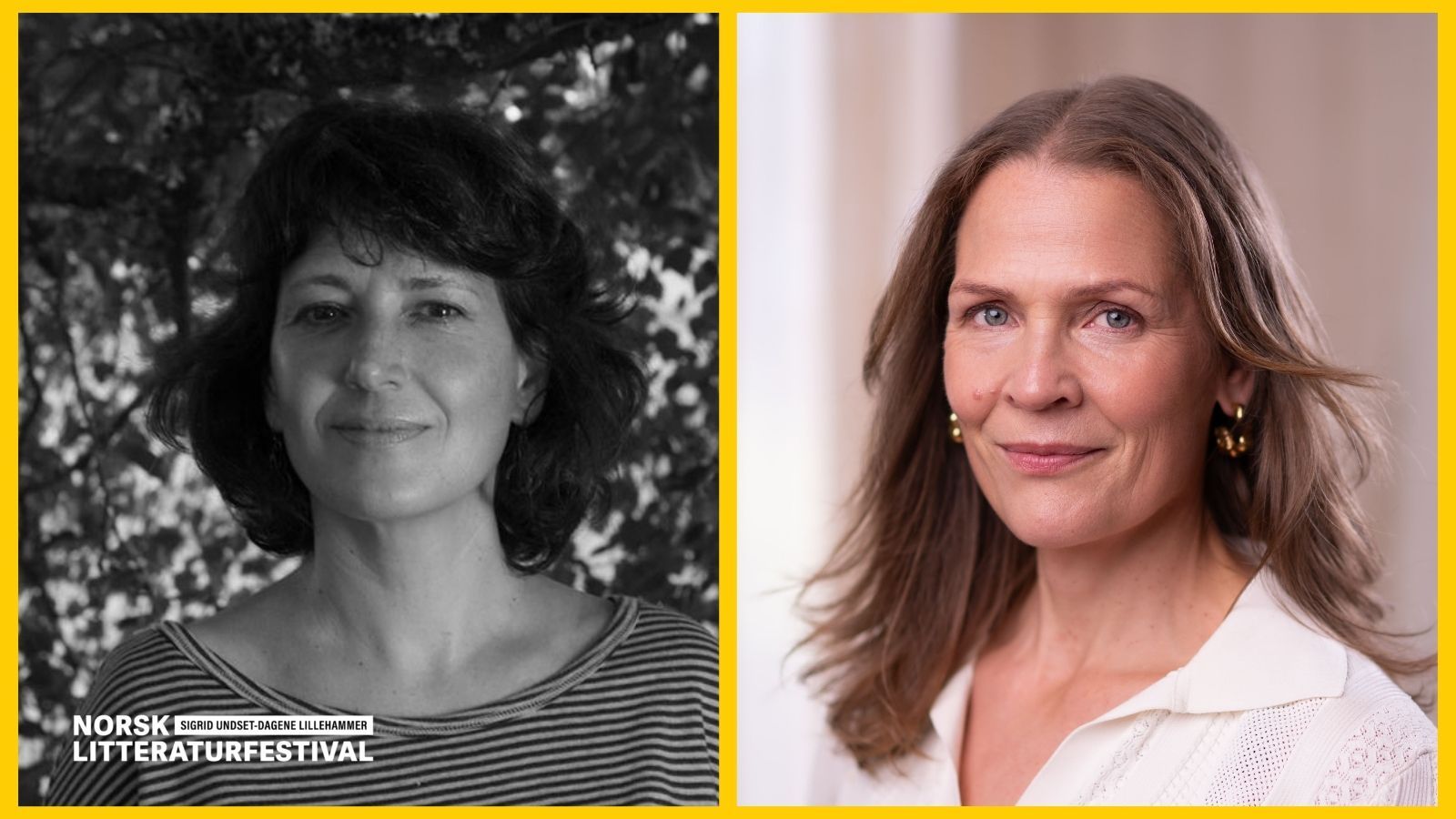
In Ufred, Åsne Seierstad depicts life in Russia under war and isolation. She meets ordinary people—soldiers, mothers, dissidents, and loyalists behind the regime’s façade—and paints a vivid portrait of a country where power and fear shape everyday life. Through these encounters, we gain insight into both individual lives and the broader political landscape. In Border, Kapka Kassabova travels to the region where Bulgaria, Greece, and Turkey meet—a landscape steeped in memories, flight, and hope. Through conversations with border guards, smugglers, and refugees, she explores both the geographical and the inner borders of Europe, allowing individual stories to illuminate larger social questions. Both books show how travel and direct encounters with people can open pathways to understanding across cultures, politics, and history. How do old borders create new crises, and how can personal narratives offer a more nuanced picture of migration, nation, and identity?
Contributors